Free First Visit Testosterone check + body comp scan + doctor consultation. No charge. No commitment.
Home · Services · TRT
Most Popular Treatment

Testosterone Replacement Therapy in Southlake, TX.

Dosed to your labs. Supervised by a physician.

Testosterone replacement therapy supervised by a board-certified physician. Comprehensive panel, monitoring, and adjustments, all included for $199 / month.

(817) 749-6946
3 wk
Avg time to first changes
800+
Avg target T (ng/dL)
$199/month
Core protocol · Add-ons priced separately

What is testosterone replacement therapy?

Testosterone replacement therapy (TRT) is the medical reintroduction of testosterone in men whose endogenous production has fallen below physiologic thresholds with documented symptoms. At Magnolia Men's Health in Southlake, TX, our protocol is $199/month all-inclusive — covering medication, weekly in-clinic injections, comprehensive labs every 6 to 12 weeks (total T, free T, SHBG, sensitive estradiol, hematocrit, prolactin, PSA, CMP, lipid panel), body composition scans, and physician follow-ups. Every plan is built or personally reviewed by Dr. Farhan Abdullah, DO, a board-certified internal medicine physician.
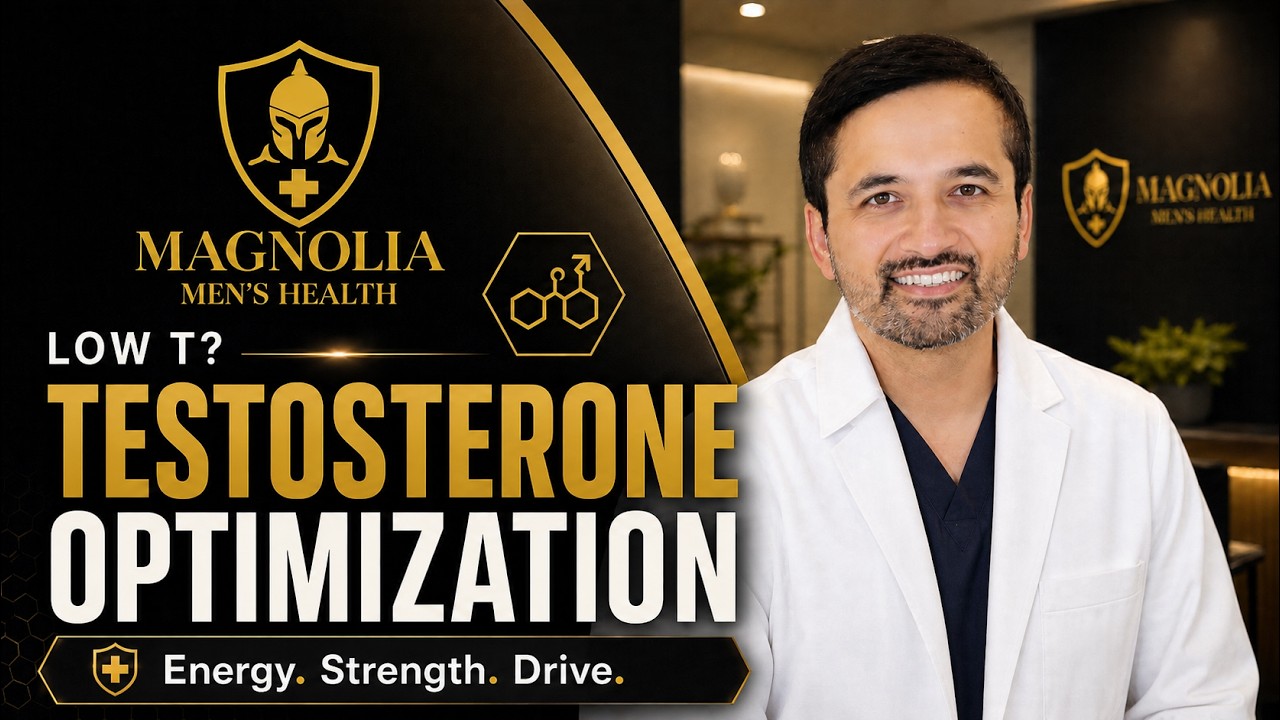

From Dr. Abdullah

A two-minute primer on testosterone therapy.

Dr. Farhan Abdullah, DO explains testosterone therapy
2-Minute Primer

What testosterone therapy actually is, and isn't.

Quick Facts

  • What it is. Physician-supervised replacement of testosterone in men diagnosed with hypogonadism (clinically low testosterone with symptoms).
  • Who qualifies. Men 30+ with total testosterone consistently below 300 ng/dL on morning fasted draws, plus clinical symptoms.1
  • Standard protocol. Testosterone cypionate, 100–200 mg per week, subcutaneous injection twice weekly. Topical and pellet alternatives available.
  • Time to symptom relief. Energy and mood: 2–4 weeks. Body composition: 8–12 weeks. Bone density: 6–12 months.2
  • Cardiovascular safety. The 2023 TRAVERSE trial (NEJM, n=5,246) confirmed no increase in major adverse cardiac events vs. placebo.3
  • Pricing at Magnolia. Insurance billed when eligible (BCBS, Aetna, UHC, Cigna, Humana, Medicare). Cash program $199/month covers the core protocol — testosterone, physician visits, labs, monitoring, dose adjustments. Adjunct meds when clinically indicated (anastrozole for estrogen management, HCG or gonadorelin for fertility/testicular volume) are priced separately at compounded pharmacy rates. First visit free.
What it is

Testosterone replacement therapy, defined.

Testosterone replacement therapy (TRT) is the medical treatment for hypogonadism, the clinical condition in which a man's serum testosterone falls below the threshold needed for normal energy, sexual function, mood, body composition, and bone health. The 2018 Endocrine Society Clinical Practice Guideline defines hypogonadism as a total morning testosterone consistently below 300 ng/dL paired with at least two unambiguous clinical symptoms.1

TRT works by restoring serum testosterone to the physiologic range (typically 500–900 ng/dL for adult men) using pharmaceutical-grade testosterone delivered by subcutaneous injection, intramuscular injection, topical application, or implanted pellet. The Testosterone Trials, published in the New England Journal of Medicine in 2016, demonstrated that men aged 65 and older with documented low testosterone showed clinically meaningful improvements in sexual function, mood, vitality, and walking distance after one year of treatment.2 The 2023 TRAVERSE trial confirmed cardiovascular safety in men with hypogonadism and existing cardiovascular risk factors.3

What TRT is not: a performance enhancer, an anti-aging gimmick, or a substitute for sleep, training, and metabolic health. We treat clinically confirmed deficiencies in men with symptoms, not numbers in isolation, and not patients who would be better served by lifestyle intervention or evaluation for non-hormonal causes of fatigue.

Confident mature man, dark editorial portrait — vital, present
Vitality · Restored
What TRT Is For

The man who shows up —
everywhere it matters.

Energy at the desk. Recovery in the gym. Presence at home. Three measures of vitality, one calibrated protocol.

Candidacy

Is TRT right for you?

Honest evaluation matters more than aggressive treatment. Here is who benefits, and who should defer or pursue an alternative.

You may be a candidate if:

  • Total testosterone consistently < 300 ng/dL on two morning, fasted draws
  • Free testosterone below age-adjusted reference range
  • Persistent symptoms: fatigue, loss of libido, erectile dysfunction, low mood, loss of muscle mass, central adiposity, brain fog, poor sleep
  • Age 30 or older (younger men with hypogonadism need fertility-preserving evaluation first)
  • No active prostate cancer, untreated severe sleep apnea, or recent major cardiac event
  • Realistic goals and willingness to monitor labs at week 6 and quarterly

You may not be a candidate, or should defer, if:

  • Active or recently treated prostate cancer (urology consultation required)
  • Recent myocardial infarction, unstable angina, or stroke (defer 6 months minimum)
  • Untreated severe obstructive sleep apnea
  • Uncontrolled congestive heart failure
  • Active plans for fertility within 6 to 12 months (consider enclomiphene or hCG-paired protocols)
  • Hematocrit consistently > 54% or polycythemia of unclear cause
  • Symptoms with normal testosterone (we evaluate thyroid, sleep, ferritin, mental health first)
The science

How testosterone replacement actually works.

Testosterone is a steroid hormone synthesized in the Leydig cells of the testes under the regulatory control of the hypothalamic-pituitary-gonadal axis. Luteinizing hormone (LH), secreted by the anterior pituitary in pulsatile fashion, signals the testes to produce testosterone. The hormone circulates bound to sex hormone-binding globulin (SHBG) and albumin, with a small fraction (1 to 3 percent) circulating as free testosterone, the metabolically active form.

In hypogonadal men, exogenous testosterone restores the substrate that the body requires for androgen receptor activation across multiple tissues: skeletal muscle, central nervous system, hematopoietic system, bone, adipose tissue, and the cardiovascular system. The clinical effects observed during properly dosed TRT, improved energy, libido, lean mass, mood, and sleep, reflect this systemic restoration.2

A portion of administered testosterone converts to estradiol via aromatase, predominantly in adipose tissue. Estradiol is essential for male bone health, cardiovascular function, and brain health, and should be maintained, not eliminated. The Endocrine Society guidelines emphasize that estradiol management should be guided by sensitive-assay measurement and clinical symptoms, not reflexive aromatase inhibitor prescription.1

A second portion converts to dihydrotestosterone (DHT) via 5-alpha reductase, the most potent androgen at the receptor level. DHT mediates many of testosterone's effects on libido, mood, and the prostate. Men with genetic susceptibility to androgenic alopecia may notice accelerated hair loss on TRT, which we discuss before initiating therapy and can mitigate with finasteride when appropriate.

Delivery Methods

Three ways to receive TRT.

We discuss all three at your free visit and choose the one that fits your schedule, anatomy, and preferences.

Most common

Subcutaneous Injection

Testosterone cypionate, twice weekly into the subcutaneous fat. Stable serum levels, lowest peak/trough variation, best evidence base. Self-administered after first training visit. Sourced through a licensed compounding pharmacy.

First-line
No needles

Topical Cream / Gel

Daily application to clean skin (chest, shoulders, inner thighs). Useful for men who prefer no needles or have very low SHBG. Application discipline matters; transfer to spouses or children must be avoided. Generally lower peak T than injection.

Alternative
Set & forget

Subcutaneous Pellet

Implanted in gluteal fat under local anesthetic, releases testosterone over 3 to 4 months. Convenient, but limited dose adjustability mid-cycle. Higher upfront cost, lower long-term maintenance. Risk of extrusion or local site reaction.

Convenience
How we're different

Seven things most testosterone clinics
don't do.

If you've been to a chain where the physician is a name on a website and the actual care is delegated, you'll recognize the gaps. Here's what changes when a board-certified physician sets, reviews, and adjusts every protocol himself.

01 Physician-led, every plan. Every treatment plan is either built directly by Dr. Abdullah or, on visits handled by our nurse practitioner, personally reviewed and adjusted by him before it's finalized. Nothing leaves the clinic without his sign-off.
02 Hospital clinical context. Dr. Abdullah continues to see acute-care patients each week. Testosterone is managed within the patient's full medical picture, not as a standalone subscription.
03 Comprehensive baseline panel. Total and free testosterone, SHBG, estradiol (sensitive assay), hematocrit, complete metabolic panel, lipid panel, PSA, thyroid panel. Most chains check total T only.
04 Calibrated dose adjustment. First follow-up at 6 weeks (not 3 months), with formal lab review and titration. Subsequent labs at 3 months, then quarterly during year one.
05 Hybrid insurance + cash. Credentialed with major payors (BCBS, Aetna, UHC, Cigna, Humana, Medicare). Patients use benefits when applicable. Cash program available when not.
06 Functional medicine training. IFM certification means we evaluate sleep, metabolic health, stress, and gut health alongside the hormone story. Symptoms with normal T get the right workup, not a reflexive prescription.
07 Independent, founder-led, accountable. We are not a national chain. The physician who founded the clinic sees patients, signs every protocol, and owns the outcome. There are no remote medical directors and no upselling scripts.
The Process

Three steps.
No surprises.

From first call to optimized levels, our process is built to be transparent, calibrated, and accountable.

01

Free Testosterone Check

On-site testosterone test with same-day results, body composition scan, and a fifteen-minute consult with the medical director. If treatment is appropriate, we order a comprehensive baseline panel, often billable to insurance.

02

Review & Begin Therapy

Once your labs are back, we meet again to review them, confirm a diagnosis, and start your protocol. Medication ships to your door or is administered in clinic.

03

Calibrate at Week 6

Repeat panel at week six. We compare baseline to current values, review symptom changes, and titrate as needed. Then quarterly thereafter.

What to expect

Your first six months,
week by week.

Individual response varies. Some men feel changes in two weeks; others take eight. The lab data at your week-six and three-month visits tells us whether the protocol is working.

Weeks 1–2
Initial dosing. Subtle shifts in sleep architecture and morning mood. Most men do not notice major changes yet. Mild dreams or transient fatigue can occur.
Weeks 3–4
Energy and motivation. The 2:30 PM crash starts to lift. Workout drive returns. Mood lift becomes evident to spouses and coworkers before you notice it in yourself.
Weeks 5–6
Libido and morning function. Most men report a clear shift in sexual desire and morning erections. First follow-up labs drawn. We compare baseline values, evaluate response, and titrate as needed.
Weeks 7–8
Recovery and strength. Workout recovery between sessions noticeably improves. Strength curves begin to climb. Small body composition shift may be visible in the mirror.
Weeks 9–12
Body composition shift. Lean mass increases, central adiposity decreases (with consistent training and protein-prioritized nutrition). Sleep architecture stabilizes. Most men describe feeling "like myself again."
Weeks 13–16
Second follow-up panel. By week 16, most men reach steady-state physiologic and clinical response. Dose adjustments at this point are usually fine-tuning, not major changes.
Months 4–6
Continued optimization. Body composition continues to improve with training. Mood and energy stabilize at the new baseline. Hematocrit, lipids, and PSA monitored.
Months 6–12
Bone density and long-term markers. Bone density improvements measurable on DEXA. Cardiovascular markers (apoB, lipoprotein-a, inflammatory markers) trend favorably for most patients. Quarterly labs.
Year 2+
Maintenance phase. Quarterly to semi-annual labs. Protocol stable unless symptoms or markers warrant modification. This is the long-term cadence for most patients.
Bearded man mid bench press with spotter — workout performance
What's possible

Strength you didn't think you'd see again.

Most men we treat add measurable strength to their compound lifts within the first sixteen weeks — not because the testosterone made them stronger overnight, but because recovery returned and they could finally train hard without breaking down.

We dose to your bloodwork, calibrate at week six, and adjust quarterly. Real medicine on a real schedule, in our on-site lab.

Wk 6First titration draw
3 moSecond calibration
QOngoing cadence
Side effects, safety, monitoring

What we watch for,
and why.

All medical interventions carry risk. The known risks of properly dosed, properly monitored TRT are well-characterized in the literature. Here is what we screen for, in clinical order of relevance:

Monitored at every panel

  • Erythrocytosis. Elevated hematocrit is dose-dependent and the most common adjustment trigger. Manageable with dose reduction or therapeutic phlebotomy. We hold therapy if hematocrit exceeds 54%.
  • Estradiol elevation. Some patients aromatize aggressively. Sensitive-assay measurement plus symptoms guide management. Anastrozole only when clinically indicated.
  • PSA + prostate effects. Baseline and ongoing PSA. The 2023 TRAVERSE trial showed no increase in prostate cancer at 33-month follow-up.3 TRT does not initiate cancer in cancer-free men but can accelerate growth of existing cancers, which is why screening matters.
  • Cardiovascular events. Older trial concerns were not replicated in TRAVERSE (n=5,246, 33 months follow-up). No increase in MACE vs. placebo.3 Men with recent cardiac events should defer 6 months minimum.
  • Sleep apnea. Pre-existing OSA can worsen on TRT. We screen at intake and refer for sleep study if appropriate.
  • Fertility suppression. Universal effect. Reversible. Plan accordingly with hCG or enclomiphene if children are in the timeline.
  • Acne, oily skin, mild fluid retention. Most common in first 4 to 8 weeks. Usually transient.

Monitoring schedule. Baseline panel before treatment, at week 6, at 3 months, then every 3 to 4 months for the remainder of year one, and every 6 months thereafter. Total testosterone, free testosterone, sensitive estradiol, hematocrit, lipid panel, comprehensive metabolic panel, and PSA at every full panel. CBC and PSA more often if hematocrit or prostate symptoms warrant.

How payment actually works

$199/month, all-inclusive. We bill insurance for the men whose plans cover it.

The cash program is the simple, predictable path. HSA and FSA cards accepted — most patients pay with pre-tax dollars and effectively bring the monthly cost into the $130–$160 range. We're also credentialed with the major payors and we'll bill insurance for men who qualify, but most plans require strict criteria (typically two morning T below 300 ng/dL plus documented symptoms) and many men with real symptoms don't make the cutoff. We built the cash program so that's never the end of the road. See your coverage odds in 60 seconds →

What you'd actually pay in year one.

Even when insurance "covers" TRT, the all-in cost — deductible, copays, lab share, medication — often lands close to or above the cash program:

Insurance Track · Typical PPO
If your plan approves you, here's what year one looks like.
Annual deductible (avg.)$2,500
Specialist copays (4 visits × $80)$320
Medication after deductible~$960
Lab co-share~$120
Year-one total~$3,900
+ 3–6 weeks waiting on prior auth before treatment starts.
Cash Program · $199/mo all-inclusive
One number. Everything in. Start in five days.
Testosterone cypionate (compounded)included
Physician visits + dose adjustmentsincluded
Comprehensive hormone panelsincluded
Body composition scansincluded
Year-one total$2,388
No prior auth. No deductible. Treatment starts the same week.

Insurance estimates assume a typical PPO with $2,500 deductible and brand-name testosterone copays after deductible is met. Your actual numbers depend on your specific plan — and we verify exact benefits AND your actual labs at your free first visit, so you walk out with a decision, not a wait.

Insurance Track

Bill it through your plan.

  • BCBS, Aetna, UnitedHealthcare, Cigna, Humana, Medicare
  • We pull benefits + your actual labs at the free first visit — together
  • We handle prior authorizations and the billing
  • Coverage requires meeting strict clinical criteria — many men won't qualify
  • Weekly in-clinic injections with full monitoring
See My Coverage Odds

Either way, your first testosterone check, body composition scan, and doctor consultation are completely free. No charge. No commitment.

Patient Outcome

By week three I had my mornings back. By week six, my workouts. By week twelve, the man I was before I started feeling old. Dr. Abdullah's calibration is what made the difference, the dose I started on wasn't where I ended up.
D
David R., Frisco, TX
Total T (baseline)
198 ng/dL
Total T (week 12)
884 ng/dL
Estradiol
32 → 28 pg/mL
Hematocrit
WNL
Frequently asked

TRT, explained.

How much does the first visit cost?
Your first visit is completely free. It includes an on-site testosterone test with same-day results, a body composition scan, and a fifteen-minute consultation with a board-certified physician. There is no charge and no commitment.
How quickly does TRT begin to work?
Most men notice changes in mood, sleep, and morning function within 2 to 4 weeks. Energy and libido typically improve between weeks 3 and 6. Body composition changes (muscle gain, fat loss) are most visible at 8 to 12 weeks, with continued improvement through month 6.
Is TRT safe long-term?
Yes, when properly monitored. The 2023 TRAVERSE trial published in the New England Journal of Medicine confirmed that testosterone replacement does not increase major adverse cardiovascular events compared to placebo in men with hypogonadism (n=5,246; 33 months follow-up). Known risks (elevated hematocrit, estrogen elevation, prostate effects) are managed through routine bloodwork at 6 weeks, 3 months, and quarterly thereafter.
Will TRT affect my fertility?
Yes. Exogenous testosterone suppresses natural production and reduces sperm count. If you plan to have children in the next 1 to 3 years, fertility-preserving alternatives such as enclomiphene or hCG-paired protocols are appropriate. Discuss this at your first visit so we can plan accordingly.
Does insurance cover testosterone replacement therapy?
Most major insurance plans cover TRT when clinical criteria are met (documented hypogonadism with symptoms). We are credentialed with Blue Cross Blue Shield, Aetna, UnitedHealthcare, Cigna, Humana, and Medicare. We verify your benefits before your visit. If insurance does not cover therapy, our cash program is $199 per month for the core protocol.
What does the $199/month cash program actually include — and what doesn't it?
The $199 covers the core TRT protocol: injectable testosterone (cypionate), physician visits, comprehensive baseline and follow-up hormone panels, body composition scans, dose adjustments, and direct physician access between visits. What's not included: adjunct medications that some men need based on their labs. If your estradiol runs high, anastrozole is $49/month. If you want to preserve fertility or testicular volume, HCG ($239) or gonadorelin ($149) may be added. If you prefer topical or pellet testosterone instead of injections, those are priced separately. Everything is at compounded pharmacy rates with no markup, and we walk you through the exact cost at your first visit before anything is added.
How is Magnolia different from other testosterone clinics in Southlake or DFW?
Most testosterone clinics check one number (total testosterone), hand you a standard dose, and delegate care to nurse practitioners. Magnolia is led by Dr. Farhan Abdullah, a board-certified internal medicine physician. Every patient is seen by a physician at intake. We run a comprehensive panel (total T, free T, SHBG, estradiol, hematocrit, lipids, PSA, thyroid), calibrate at 6 weeks, and bill insurance when applicable.
Injection vs. cream vs. pellet, which is right?
Injections (testosterone cypionate, twice weekly subcutaneous) are first-line for most patients: stable serum levels, lowest peak/trough variation, best evidence base, lowest cost. Topical creams are useful for men who prefer no needles or have very low SHBG. Pellets offer 3 to 4 month convenience but limited mid-cycle dose adjustability. We choose together at your first visit.
Is TRT a steroid?
Testosterone is the primary endogenous androgen. TRT replaces what your body should already produce, returning levels to the physiologic range (typically 500 to 900 ng/dL for adult men). It is distinct from anabolic steroid abuse, which involves supraphysiologic doses and unmonitored use. Properly dosed TRT under physician supervision is FDA-approved medical therapy.
Will TRT cause my testicles to shrink?
Some testicular volume reduction is expected because exogenous testosterone suppresses LH, the pituitary signal that drives endogenous production. Volume can be preserved with concurrent hCG therapy. The change is reversible if treatment is stopped.
Will TRT cause hair loss?
TRT can accelerate androgenic alopecia in men with the genetic susceptibility to it, because testosterone converts to dihydrotestosterone (DHT). Risk is mitigated with finasteride or topical anti-androgens when appropriate. Men without baseline genetic susceptibility typically do not experience accelerated hair loss.
Can I drink alcohol while on TRT?
Moderate alcohol consumption is acceptable during TRT, but heavy use independently lowers testosterone, impairs sleep and recovery, and reduces the clinical benefit you experience from therapy. We recommend keeping alcohol within recognized moderate limits (no more than 1 to 2 standard drinks per day) for optimal results.
What happens if I stop testosterone replacement therapy?
Endogenous production resumes over weeks to months, but baseline testosterone returns to pre-treatment levels (or near them). Most clinical benefits reverse within 8 to 16 weeks of cessation. Some men choose intermittent therapy with planned pauses; this is a clinical conversation we will have with you.
Do I have to come in every week?
For optimal results, twice-weekly subcutaneous self-injections take under five minutes at home. In-clinic injections are also available weekly. Lab monitoring requires periodic in-person visits at 6 weeks, 3 months, and quarterly thereafter.

View all FAQs across our services →

About your physician

Who you'll actually see.

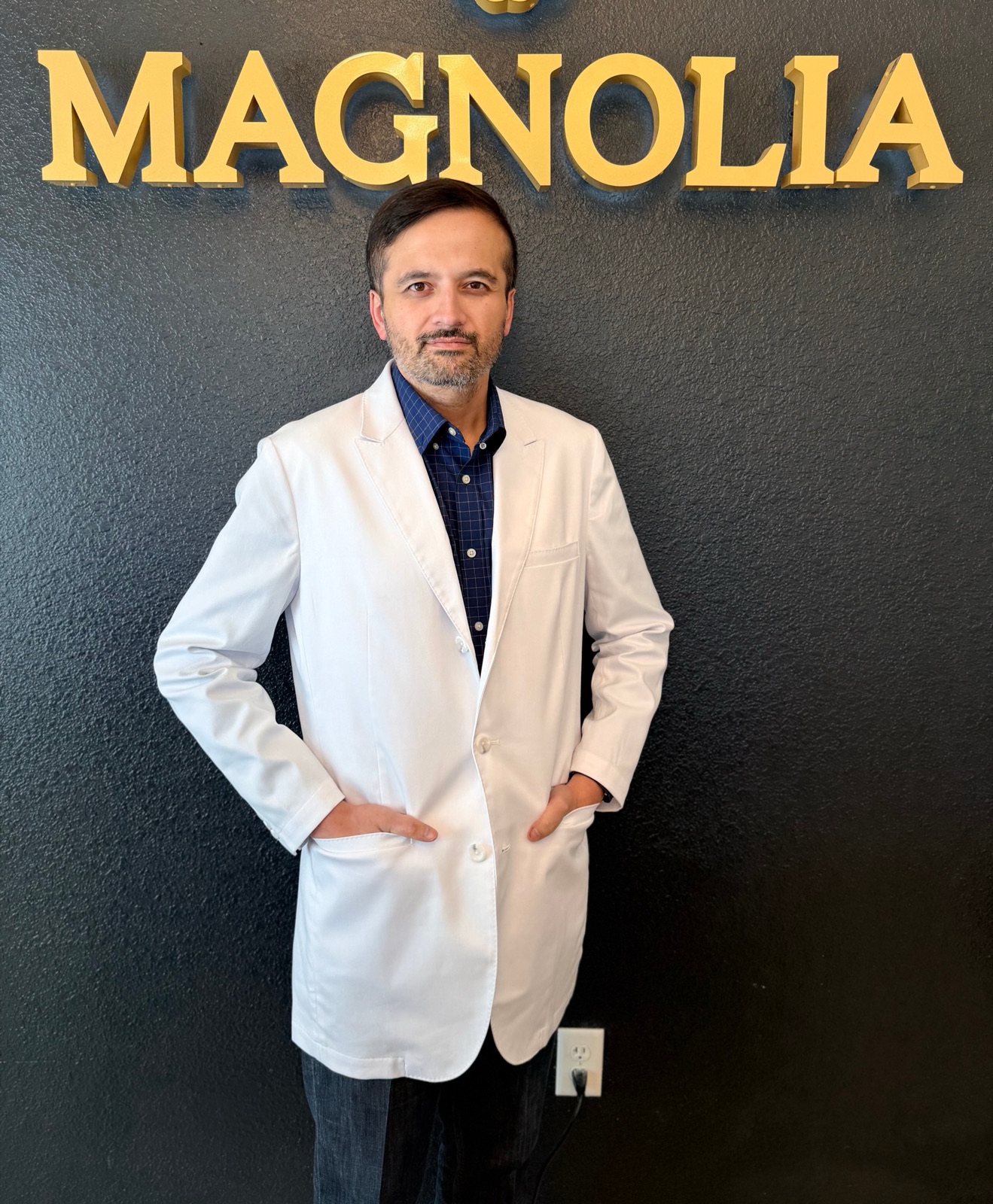
Dr. Farhan Abdullah, DO
Founder & Medical Director

Dr. Farhan Abdullah, DO

Dr. Abdullah is a board-certified internal medicine physician based in Southlake, TX, and an IFM-certified functional medicine practitioner. He focuses on men's hormone health — testosterone optimization, GLP-1 weight loss, sexual health, peptides, and longevity — and personally reviews and adjusts every protocol that leaves the clinic.

  • Doctor of Osteopathic Medicine (DO)
  • Board-Certified, Internal Medicine (American Board of Internal Medicine)
  • Institute for Functional Medicine (IFM) Certified Practitioner
  • Hormonal Health Institute Certification
  • R3 Stem Cell Institute Certification
  • Adjunct Faculty, UT Southwestern, TCU, UNTHSC
  • Texas Medical Board license in good standing

References

  1. Bhasin S, Brito JP, Cunningham GR, Hayes FJ, Hodis HN, Matsumoto AM, Snyder PJ, Swerdloff RS, Wu FC, Yialamas MA. Testosterone Therapy in Men With Hypogonadism: An Endocrine Society Clinical Practice Guideline. J Clin Endocrinol Metab. 2018;103(5):1715–1744. doi:10.1210/jc.2018-00229
  2. Snyder PJ, Bhasin S, Cunningham GR, et al. Effects of Testosterone Treatment in Older Men. N Engl J Med. 2016;374(7):611–624. doi:10.1056/NEJMoa1506119
  3. Lincoff AM, Bhasin S, Flevaris P, et al. Cardiovascular Safety of Testosterone-Replacement Therapy. N Engl J Med. 2023;389(2):107–117. doi:10.1056/NEJMoa2215025 (TRAVERSE trial)
  4. Travison TG, Vesper HW, Orwoll E, et al. Harmonized Reference Ranges for Circulating Testosterone Levels in Men of Four Cohort Studies in the United States and Europe. J Clin Endocrinol Metab. 2017;102(4):1161–1173. doi:10.1210/jc.2016-2935
  5. Wu FC, Tajar A, Beynon JM, et al. Identification of Late-Onset Hypogonadism in Middle-Aged and Elderly Men. N Engl J Med. 2010;363(2):123–135. doi:10.1056/NEJMoa0911101

This page is reviewed by Dr. Farhan Abdullah, DO, and updated as the clinical evidence base evolves. Last reviewed April 28, 2026. Content is for educational purposes and does not substitute for individualized medical advice. If you are considering treatment, please book a consultation.

Ready to begin?

Book your free first visit.

15 minutes with the medical director. We'll review symptoms and order labs if appropriate.

or call (817) 749-6946

Also serving across DFW

TRT for nearby DFW cities.